
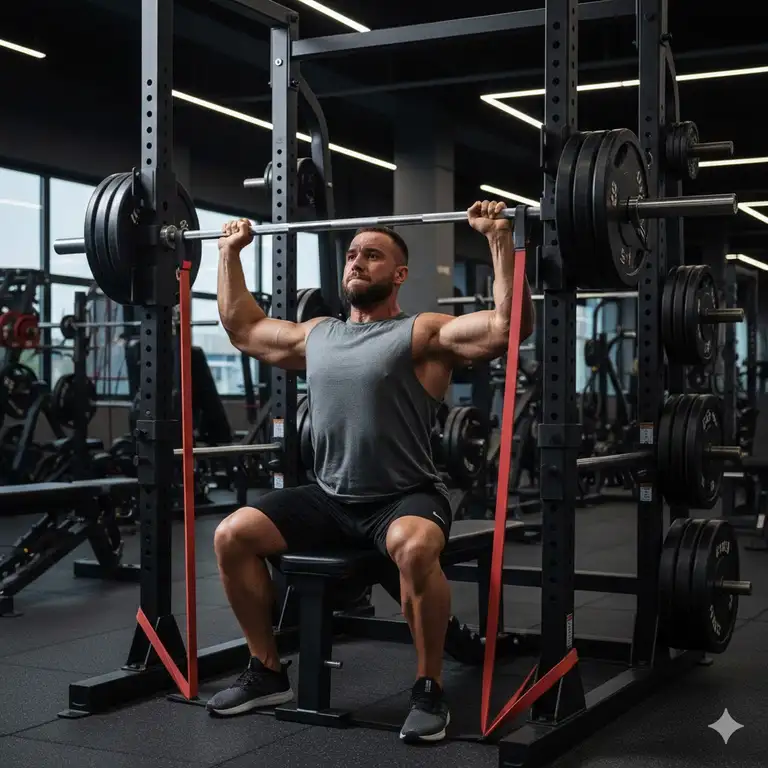
The bench press is, without a doubt, the king of upper-body exercises. It’s the ultimate measure of strength, a movement that builds an impressive chest, powerful triceps, and solid shoulders. Yet, for many lifters—from the weekend warrior to the seasoned powerlifter—it’s also a movement plagued by sticking points, plateaus, and, unfortunately, injury. Enter the bench press support band. This seemingly simple piece of equipment is a game-changer, a secret weapon that has revolutionized how athletes train and overcome weaknesses in their pressing power.
If you’ve ever felt the bar slow to a frustrating crawl halfway up or experienced that nagging shoulder pain that makes you avoid heavy sessions, you’ve likely looked for alternative ways to train. The answer isn’t always adding more weight; often, it’s about changing how the weight feels and how your muscles respond to the resistance curve. This is where the magic of the bench press support band comes in. It’s a highly specialized training tool that allows you to manage the load at different stages of the lift, providing assistance where you need it most—typically at the bottom—and forcing you to work harder at the lockout. This method is often called accommodating resistance or reverse band training, and its efficacy is backed by decades of high-level powerlifting practice, particularly popularized by the Westside Barbell methodology.
✨Was this helpful? Spread the word! 🚀
[addtoany]
But what exactly is a bench press support band? We’re not talking about those tiny therapy bands. We’re talking about heavy-duty, continuous-loop resistance bands, usually made from thick, durable latex rubber. When used for support (or reverse band setup), they are often anchored to the top of your power rack, looped over the barbell, or even worn around the arms and torso (in the case of a Mark Bell Sling Shot or similar device, which is essentially a specialized fabric support band). The primary function is to provide upward pull or “lift-off” assistance, decreasing the effective load on your joints and muscles at the bottom of the movement (the weakest point) and progressively diminishing that assistance as you press the bar toward the lockout. This technique helps you handle supramaximal loads (more than your 1-rep maximum), which builds incredible confidence and strength, especially in the final pressing phase.
Before we dive deep into the mechanics, the top products, and the specific training protocols, let’s quickly establish the difference between using bands for resistance and using them for support.
| Feature | Banded Resistance Bench Press | bench press support band (Reverse Band) |
| Band Placement | Anchored to the floor/rack base; looped over bar. | Anchored to the top of the rack; looped over bar. |
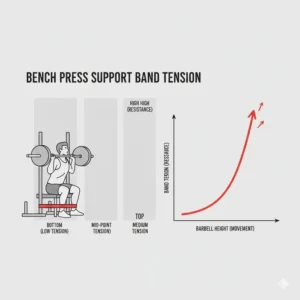
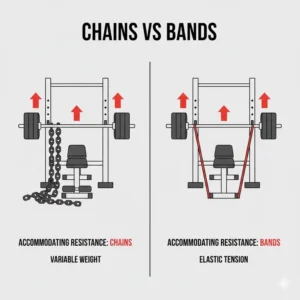
| Resistance Curve | Easiest at the bottom (least stretched); Hardest at the top (most stretched). | Easiest at the bottom (most stretched, most assistance); Hardest at the top (least stretched, least assistance). |
| Primary Benefit | Builds lockout strength; improves bar speed/explosion against increasing load. | Allows for supramaximal overload; protects shoulders/joints at the bottom. |
| Typical Goal | Speed/Dynamic Effort Training. | Max Effort/Overload Training; rehabilitation/pain management. |
This table clearly illustrates the powerful contrast. While traditional band training (resistance) is excellent for speed and lockout, the focus of this article—the bench press support band—is all about allowing you to move heavy weight safely and strategically through your biggest weakness.
Top 7 bench press support band Products: Expert Analysis from Amazon 🔎
The term bench press support band can refer both to the simple, long-loop resistance bands used in a reverse setup and the proprietary, specialized fabric devices designed to offer mechanical assistance and support. For a comprehensive view of the best tools available for your bench press assistance, we’ve researched and analyzed 7 top-tier products, covering both categories. Using a support band bench press is a powerful training technique, and having the right equipment is the first step.
1. Mark Bell’s Original Sling Shot (The Specialized Fabric Support)
The Original Sling Shot is arguably the most famous and definitive bench press support band device, created by powerlifting legend Mark Bell. It is a dense, high-tension elastic material, not a rubber resistance band.
-
Model: Original Sling Shot (Red)
-
Technical Specifications: Level 3 stiffness; designed for lifters benching 275 lbs and up. Allows for pressing 10-15% more than your raw max. Material: Patented blend of elastic and synthetic fabric.
-
Customer Review Analysis: Reviewers universally praise its ability to reduce shoulder and elbow pain, allowing them to train heavy without discomfort. Many note a significant boost in confidence and a rapid increase in their one-rep max (1RM) after incorporating it. A common piece of feedback, however, is the need to carefully follow the sizing chart, as it is designed to be extremely tight.
-
Pros/Cons:
-
✅ Pros: Exceptional joint support; excellent for overload training; instant boost in pressing strength; highly durable fabric.
-
❌ Cons: Alters the bar path slightly (a groove); requires specific sizing; higher price point than rubber bands.
-
-
Professional Applications: Max effort training, high-volume/high-frequency benching, and training around acute or chronic shoulder injuries.
2. Rogue Monster Bands – #4 Black (Single) (The Traditional Loop Band)
Rogue Fitness bands are the gold standard in powerlifting and strength sports for traditional resistance bands, which are the support band bench press tool of choice in a reverse setup. The #4 Black is a highly versatile option for this purpose.
-
Model: Monster Band #4 (Black)
-
Technical Specifications: Length: 41 inches; Width: 1.75 inches; Thickness: 0.18 inches. Resistance: 65 lbs (at maximum stretch). Material: Natural Latex Rubber.
-
Customer Review Analysis: Praised for their exceptional durability and consistent resistance. Lifters love their versatility—not just for reverse banding but also for warm-ups, mobility, and accessories. Negative feedback is rare but sometimes mentions the need for a pair for barbell work and the initial latex smell.
-
Pros/Cons:
-
✅ Pros: Extremely versatile; consistent and measurable resistance; high-quality, thick latex rubber; excellent for accommodating resistance or support.
-
❌ Cons: Requires a power rack or secure anchor point for a reverse setup; must purchase in pairs for balanced resistance.
-
-
Professional Applications: Dynamic effort training, accommodating resistance (both reverse and standard), and general accessory movements.
3. Serious Steel Fitness Resistance Bands – #5 Purple (Pair)
Serious Steel is a popular, high-value alternative to the big names, offering quality resistance bands perfect for a reverse bench press support band setup. The #5 Purple offers serious support for heavier lifters.
-
Model: Serious Steel Fitness Resistance Band #5 (Purple)
-
Technical Specifications: Length: 41 inches; Width: 2.5 inches; Resistance: 95 lbs (at max stretch). Material: Layered Natural Latex.
-
Customer Review Analysis: Customers appreciate the competitive pricing for comparable quality to premium brands. The #5 is often cited as the perfect starting band for a heavy-weight lifter looking to try a reverse band bench press. Very strong performance and longevity reports.
-
Pros/Cons:
-
✅ Pros: Excellent price-to-performance ratio; high resistance level for significant support; good for heavier lifters and powerlifting.
-
❌ Cons: Can be too much resistance for lighter or beginner lifters; requires proper setup to avoid wear.
-
-
Professional Applications: Heavy overload training, reverse banding, and squat/deadlift assistance.
4. RAGE Fitness Slingshot-Style Band (A Fabric Alternative)
RAGE Fitness provides a fabric support band that offers the slingshot style of assistance without the brand name price. This is a great entry point into the specialized fabric support niche.
-
Model: RAGE Fitness Slingshot-Style Resistance Band
-
Technical Specifications: Wide, reinforced fabric construction; variable stiffness based on sizing. Provides a consistent elastic rebound for the press.
-
Customer Review Analysis: Many customers buying this product are looking for a cheaper option than the Original Sling Shot. They find it to be an effective tool for maintaining pressing volume while dealing with joint pain. Some note that the material may not be as stiff or durable as the original brand.
-
Pros/Cons:
-
✅ Pros: Budget-friendly fabric alternative; excellent for reducing joint stress; great for adding volume to training.
-
❌ Cons: Durability may be lower than premium competitors; less rebound/assistance compared to the stiffest models.
-
-
Professional Applications: High-rep accessory work, bodybuilding bench press variations, and technique reinforcement.
5. DMoose Fitness Pull Up Assist Bands – Black Level (Heavy)
DMoose offers a wide array of bands, but their heavy Black Level is substantial enough to be an effective bench press support band in a reverse setup, especially when used in conjunction with a lighter band.
-
Model: DMoose Fitness Pull Up Assist Band (Black Level)
-
Technical Specifications: Length: 41 inches; Width: 1.25 inches; Resistance: 50-125 lbs (layered resistance range). Material: Multi-layered Malaysian Latex.
-
Customer Review Analysis: Positive reviews highlight the layered construction, which provides a more progressive and reliable resistance curve than single-layer bands. The versatility for pull-ups and general fitness is also a major selling point.
-
Pros/Cons:
-
✅ Pros: Multi-layered construction for durability; wide resistance range (good for progressive overload); highly versatile.
-
❌ Cons: Listed resistance range (50-125 lbs) is broad, making precise programming slightly challenging; width may be too narrow for the heaviest reverse bands.
-
-
Professional Applications: Progressive overload, accommodating resistance, and general athletic training.
6. Cactus Jack Training Full Boar Slingshot (The Extreme Support Model)
For the elite powerlifter or those training with very heavy weights, the Full Boar Slingshot provides maximum support—more than the Original model. This is the bench press support band for high-end overload.
-
Model: Full Boar Sling Shot (Black)
-
Technical Specifications: Level 4 stiffness (or higher); designed for lifters benching 315 lbs and up. Allows for pressing 10-20% more than your raw max. Material: Patented extra-thick, extra-stiff synthetic fabric.
-
Customer Review Analysis: Users confirm this is an extremely stiff device, giving a massive “pop” or rebound off the chest. It’s often reserved for very heavy singles or doubles. Beginners are warned away from it. The primary benefit cited is the mental confidence gained from handling massive weights.
-
Pros/Cons:
-
✅ Pros: Max level support and overload; builds tremendous confidence with heavy weight; forces proper elbow tuck.
-
❌ Cons: Not suitable for warm-ups or high-rep work; significantly alters bar path; highest price point.
-
-
Professional Applications: Supramaximal training, geared-lifter training, and handling weights far beyond raw 1RM.
7. SPRI Xertube Resistance Band with Handles (A Simpler Alternative)
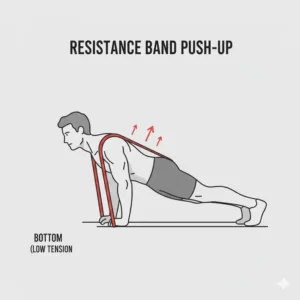
While not a traditional loop or slingshot, resistance bands with handles can be used for a bench press with resistance bands setup (anchored under the bench) that provides a lighter form of support, especially for home gym users or those doing high-rep work.
-
Model: SPRI Xertube Resistance Band (Heavy Resistance)
-
Technical Specifications: Tube-style resistance band; available in various resistance levels (e.g., Heavy, Ultra Heavy); includes cushioned foam handles.
-
Customer Review Analysis: Highly rated for general fitness and portability. For bench press, customers use it for high-volume, lightweight work or as a warm-up. Reviewers stress that the resistance is much lighter than the loop bands.
-
Pros/Cons:
-
✅ Pros: Extremely portable; handles are comfortable for a different grip; great for warm-ups and high-rep endurance.
-
❌ Cons: Cannot be used for a true barbell reverse band setup; resistance is far lower than loop bands.
-
-
Professional Applications: High-volume accessory movements, travel workouts, and rehabilitation.
💰 Don’t Miss These Exclusive Deals! 🚀
Take your bench press to the next level with these expertly selected products. Click on any highlighted item to check current pricing and availability and see how a bench press support band can transform your training!
💬 Just one click – help others make better buying decisions too!😊
[addtoany]
Technical Specifications Matrix: bench press support band Comparison 📊
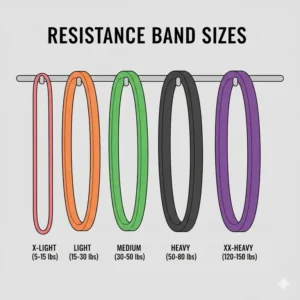
A true expert understands that the right tool is defined by its specs. Choosing the right bench press support band depends heavily on your current strength level, your budget, and the specific application (overload, technique work, or pain relief). Let’s break down the technical differences between the main options.
| Product Model | Type | Resistance/Stiffness Level | Primary Use/Goal | Material/Construction | Max Resistance (Approx.) |
| Mark Bell’s Original Sling Shot | Fabric/Sleeve | Level 3 (Medium-High) | Max Effort, Joint Protection | Patented Elastic Fabric | +10-15% of 1RM |
| Rogue Monster Bands – #4 Black | Latex Loop | Medium-Heavy | Reverse Band (Support) | Natural Latex Rubber | 65 lbs (at max stretch) |
| Serious Steel Fitness Bands – #5 Purple | Latex Loop | Heavy | Reverse Band (Support) | Layered Natural Latex | 95 lbs (at max stretch) |
| RAGE Fitness Slingshot-Style Band | Fabric/Sleeve | Variable (Mid-Level) | Technique, Volume Training | Reinforced Elastic Fabric | +5-10% of 1RM |
| DMoose Fitness Pull Up Assist Bands – Black | Latex Loop | Medium | Reverse Band, Assistance | Multi-layered Malaysian Latex | 50-125 lbs (Range) |
| Cactus Jack Training Full Boar Slingshot | Fabric/Sleeve | Level 4+ (Extreme) | Supramaximal Overload | Extra-Stiff Synthetic Fabric | +15-20% of 1RM |
| SPRI Xertube Resistance Band | Tube/Handle | Light-Medium | Home Bench, Warm-up | Rubber Tube w/ Handles | 20-40 lbs (Static) |
Deep Dive: The Mechanics and Benefits of a bench press support band 🧠
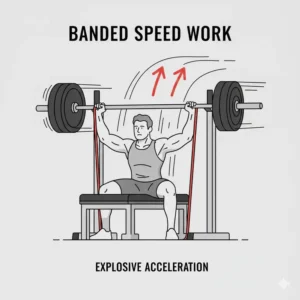
The effectiveness of a bench press support band (whether a loop band in a reverse setup or a fabric slingshot) lies in its ability to manipulate the strength curve of the bench press. This isn’t just about cheating; it’s about strategic training. As renowned coaches often point out, your bench press has an “acceleration zone,” where the weight moves fast off the chest, and a “deceleration zone,” where the bar slows down toward the top. A raw lifter typically has to slow down the bar to maintain control and avoid losing the lift at the top. The support band bench press fundamentally changes this.
1. Overcoming the Sticking Point and Lockout Strength
In a traditional free-weight bench press, the sticking point—the hardest part of the lift—is often a few inches off the chest. The bench press support band provides maximum assistance at the bottom of the movement where your leverage is weakest and the band is most stretched. This assistance:
-
Reduces joint strain: By taking 50-100+ lbs off the bar at the bottom, it protects the shoulders and elbows, which is critical for shoulder support bench press techniques.
-
Improves bar speed: The rebound allows you to accelerate the bar much faster through the sticking point. This forced acceleration is key.
-
Overloads the triceps: As the bar moves up, the band’s assistance decreases, meaning your triceps are forced to work against a progressively increasing load toward the lockout. This trains your tricep extension band bench press power dramatically.
This targeted training not only increases your raw strength but also allows you to neurologically feel what it’s like to lock out a heavier weight than you can normally lift, creating a powerful psychological advantage. When you return to raw benching, that maximum weight suddenly feels manageable because your body has adapted to handling a supramaximal load.
2. Enhanced Joint Safety and Rehabilitation
One of the most valuable aspects of using a support band bench press is the joint protection it offers. The bottom of the bench press is the most vulnerable position for the shoulder joint due to the extreme stretch and external rotation.
-
Reduced Initial Tension: The band effectively reduces the strain on the anterior deltoids and shoulder capsule as you lower the bar, making it a fantastic tool for lifters with rotator cuff issues, labral tears, or chronic tendonitis.
-
Maintaining High Training Volume: Since the lower portion of the lift is where the majority of joint stress occurs, mitigating this stress allows you to increase your overall benching volume—the total number of quality reps you perform each week—without the typical wear-and-tear. This higher volume translates directly to greater hypertrophy and strength gains.
3. The Importance of Proper Setup: Reverse Banding vs. Sling Shot
Understanding the two main methods for achieving a support band bench press is crucial for maximizing results and staying safe.
-
Reverse Band Bench Press (Loop Bands): This involves using long resistance bands (like the Rogue Monster Bands or Serious Steel Fitness Bands) looped over the barbell and anchored to the top of a power rack. The setup is complex but offers the most variable and adjustable assistance. You can easily adjust the band’s starting tension and the band thickness to fine-tune the assistance. This is the purist’s method for true accommodating assistance.
-
Fabric Support (e.g., Sling Shot): These devices, such as the Mark Bell’s Original Sling Shot, are worn around the arms and torso. They mechanically pull the elbows in, forcing a better tuck, and offer a powerful elastic rebound off the chest. They are simpler to use, highly portable, and provide exceptional support for the elbows and shoulders. The drawback is that they establish a specific bar path groove that some raw lifters find disruptive.
| Feature/Benefit | bench press support band (General) | Traditional Bench Press | Dumbbell Press |
| Joint Stress at Bottom | Low (Assisted) | High | Medium (Free Movement) |
| Supramaximal Overload | Possible (100%+ of 1RM) | No (Limited by 1RM) | No |
| Lockout Strength Emphasis | High (Progressively heavier) | Medium | Medium |
| Volume Potential | High (Less joint fatigue) | Medium (Limited by recovery) | High (Often lighter weight) |
| Sticking Point Focus | Bypassed/Exploded Through | Hardest Point | Variable |
| Equipment Complexity | Medium (Requires bands/rack/slingshot) | Low (Barbell/Plates) | Low (Dumbbells) |
4. Keyword Variations for Maximum Training Visibility
To ensure we cover all aspects of this training technique, it’s important to recognize the different ways people search for this tool. You’ll find people looking for resistance band bench press, chest band press, bench press assistance bands, and even the common typo bench press suppport band. All these terms refer to the same core principle: using elastic tension to strategically assist or resist the lift. The most common variation for the support concept is the reverse band bench press.
Budget vs. Premium bench press support band Comparison 💵
When investing in a bench press support band—whether a durable latex loop or a high-tech fabric sleeve—your budget will often dictate your choice. However, the true value lies in how effectively the tool helps you achieve your training goals, especially when trying to increase your bench press with band assistance maximum.
| Product Category | Budget-Friendly Option (Latex/Fabric) | Premium Option (Latex/Fabric) | Primary Advantage |
| Latex Support Loop | DMoose Fitness Pull Up Assist Bands | Rogue Monster Bands – #4 Black | Durability, Consistent Resistance, Versatility |
| Cost | Low (Under $25/band) | Medium (Over $25/band) | |
| Build Quality | Good (Multi-layered latex) | Excellent (Natural Latex Rubber) | |
| Best For | Beginners, high-rep accessory work, general fitness | Powerlifting, speed work, heavier reverse banding | |
| Fabric Support Sleeve | RAGE Fitness Slingshot-Style Band | Mark Bell’s Original Sling Shot | Engineered Support, Joint Relief, Max Overload |
| Cost | Medium (Under $50) | High (Over $50) | |
| Build Quality | Good (Reinforced elastic fabric) | Excellent (Patented, proprietary fabric) | |
| Best For | Budget-conscious lifters, volume training | Elite lifters, training around serious injuries, max effort attempts |
The primary difference often comes down to material science. Premium loop bands, like Rogue, use a higher quality, more consistently thick natural latex, which provides a more true and predictable resistance/assistance curve. Premium fabric sleeves, like the Original Sling Shot, use proprietary materials engineered for a specific pop and support profile. While the budget options are excellent starting points for someone learning how to use a bench press support band, the premium models are often a necessity for competitive powerlifters who need absolute consistency and maximum durability.
Key Features/Benefits Comparison: Support vs. Traditional Resistance
When we talk about the bench press support band (reverse banding or slingshot), we are focusing on assistance. It’s helpful to see how this assistance-focused training compares to standard weight training and traditional resistance band training.
| Feature/Metric | Support Band Bench Press | Resistance Band Bench Press | Standard Barbell Bench Press |
| Focus | Supramaximal Overload, Joint Protection | Bar Speed, Lockout Strength | General Strength, Hypertrophy |
| Bar Speed at Bottom | Fast (Rebound/Assistance) | Slow (No assistance) | Variable |
| Bar Speed at Top | Slow-Medium (Max load) | Fast (Increasing resistance forces acceleration) | Slow-Medium (Deceleration zone) |
| Tricep Emphasis | Very High | High | Medium-High |
| Shoulder Stress | Low | Medium | High |
| Best For | Plateaus at lockout, injury management, bench press with band assistance | Dynamic effort work, maximizing speed, bench press with resistance bands | Building foundational mass and strength |
This table clearly illustrates the powerful benefit of the bench press support band: it allows you to handle weights that would crush you raw, thus training your body’s ability to stabilize and lock out massive loads, which is invaluable for any bench press assistance bands program.
How to Integrate a bench press support band Into Your Training 🏋️
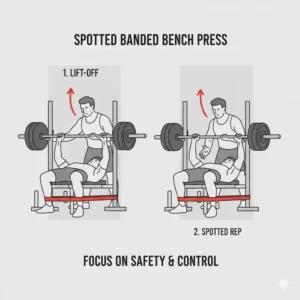
Incorporating a bench press support band into your routine should be strategic. It’s a specialized tool, not a substitute for standard benching. The goal of this kind of bench press assistance is typically to address specific weaknesses: either the sticking point off the chest or the stability required to lock out heavy weight.
1. Reverse Band Bench Press Setup
This is the classic powerlifting setup using loop bands.
-
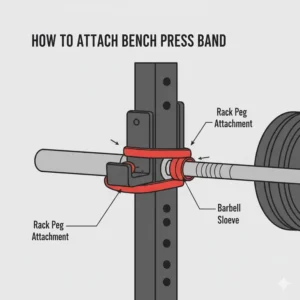
Anchor: Loop the bands over the top cross-members or safety pins of a sturdy power rack.
-
Bar Connection: Drape the band over the barbell outside the collars, where the knurling is absent (to preserve the band). You must ensure both bands are even to prevent an uneven bar path.
-
Execution: The band should pull the bar upward most strongly when the bar is at the bottom (on your chest) and offer the least assistance when the bar is locked out at the top.
-
Programming: Use this for Max Effort days. Load the bar with 105% to 115% of your true 1RM and perform 1-3 repetitions for a few sets. This is the ultimate reverse band bench press method for overload.
2. Fabric Slingshot-Style Use
The fabric sleeve (like the Original Sling Shot or Full Boar Slingshot) offers a simpler, more portable way to get support band bench press assistance.
-
Placement: Slide the sleeve up your arms so it rests just above your elbow joint, pulling your arms across your chest. The sleeve should be very tight.
-
Execution: As you lower the bar, the sleeve stretches, applying tension that helps pull your elbows into a safe, tucked position. At the bottom, the tension is maximized, and as you press, it provides a powerful spring-like rebound.
-
Programming: Use this for high-volume accessory days or a secondary bench session. It allows you to use a weight you could normally handle for 3-5 reps and get 6-10 quality repetitions instead. It’s perfect for slingshot bench press volume training.
3. Understanding the Training Effect
Using a bench press support band is not just about lifting more weight; it’s about controlling supramaximal weight. The feeling of a 400-pound barbell being stable and easy to control at the top, even if the bands are doing the heavy lifting at the bottom, builds a neurological pattern for handling huge loads. This confidence and motor pattern specificity is the key to breaking through strength barriers. This is how the most successful powerlifters leverage accommodating resistance to their advantage.
Conclusion: A New Era for Your Bench Press 🏆
The bench press support band is far more than a gimmick; it is an indispensable tool in the arsenal of any serious lifter in the USA. Whether you opt for the versatile loop band in a reverse band bench press setup or the immediate support of a fabric sleeve like the Original Sling Shot, you are employing a training principle proven by the strongest athletes in the world. This technique, which strategically manipulates the load curve to protect your joints and overload your triceps, offers the key to unlocking new levels of raw strength, volume capacity, and, most importantly, confidence under the bar.
Stop letting the sticking point dictate your progress and start using accommodating assistance to your advantage. Your next 1RM is waiting.
FAQs
❓ What is a bench press support band used for?
❓ Are reverse band bench press and resistance band bench press the same?
❓ Can a bench press support band help with shoulder pain?
❓ How much weight can a support band add to my bench press?
❓ Should I buy a loop resistance band or a fabric Slingshot-style support band?
Recommended for You
- 20 lb Resistance Bands: Top 7 Picks & Expert Guide 2025
- 50 Pound Resistance Band: 7 Top Picks & Expert Guide 2025
- Resistance Bands 50 lbs: 7 Amazing Picks to Maximize Your Gains
Disclaimer: This article contains affiliate links. If you purchase products through these links, we may earn a small commission at no additional cost to you.
✨ Found this helpful? Share it with your friends! 💬🤗
[addtoany]
